

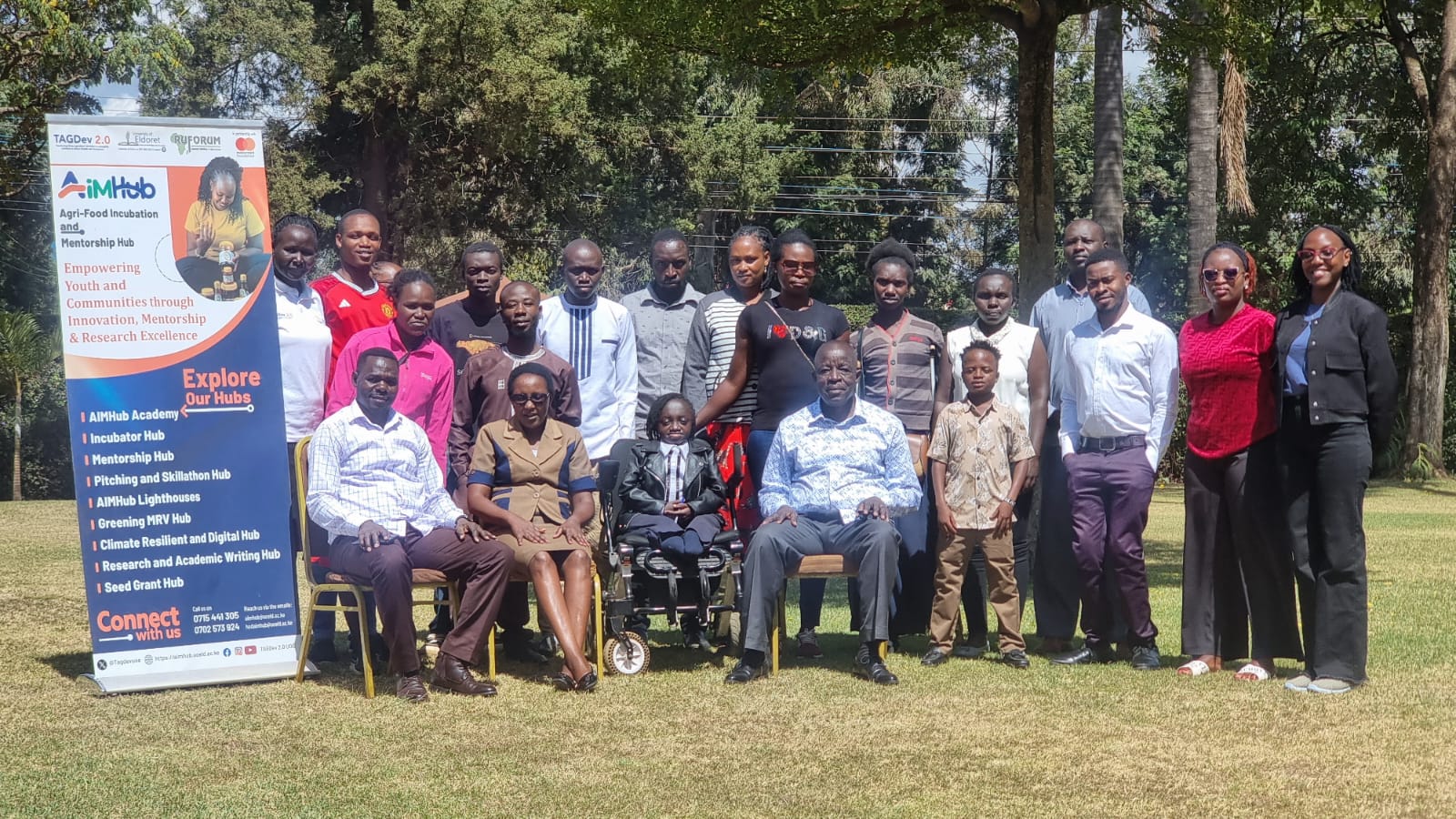
For persons with disabilities from Uasin Gishu, the conversation around inclusion is increasingly moving beyond access and participation to a more fundamental question: What opportunities can be created for PWDs to build sustainable livelihoods and enterprises?
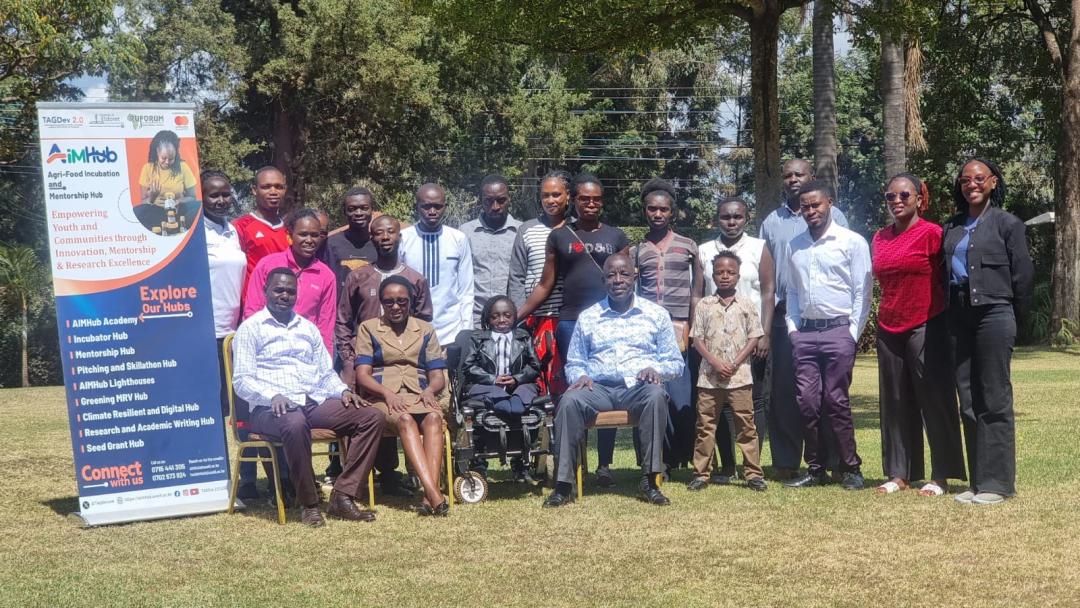
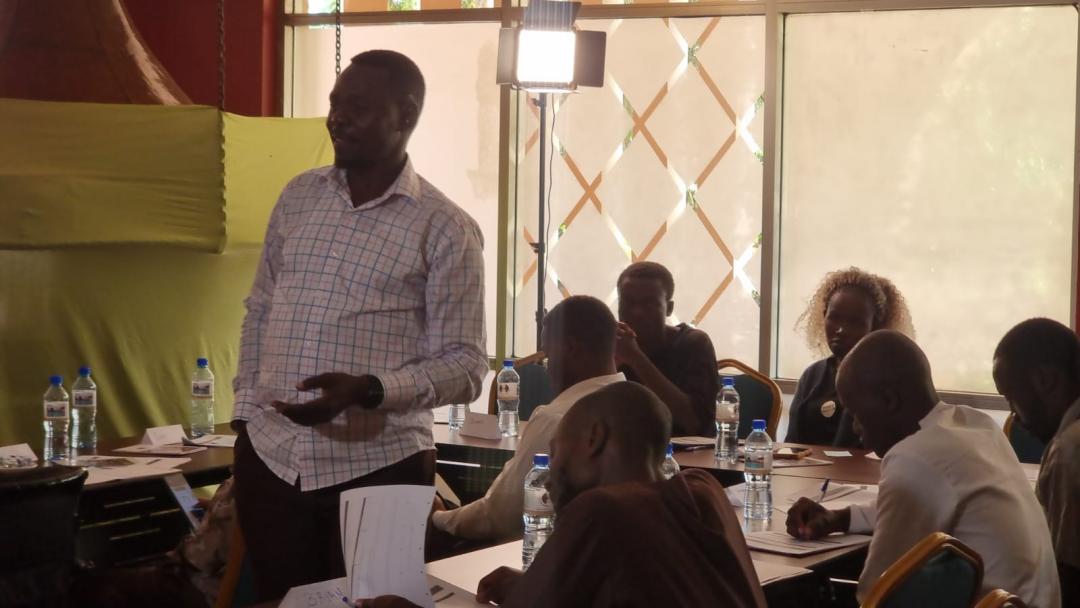
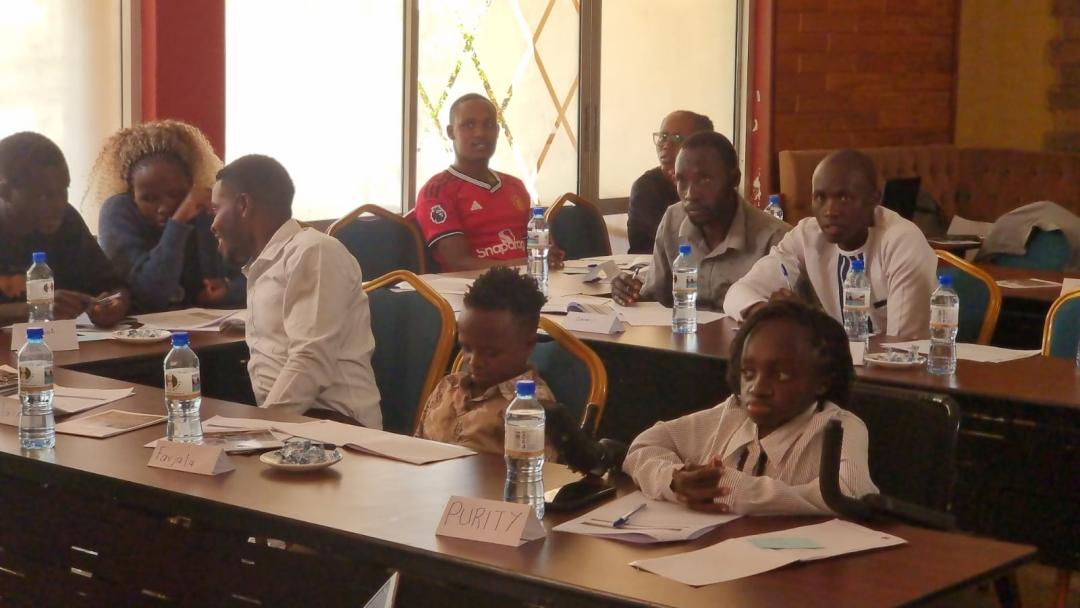
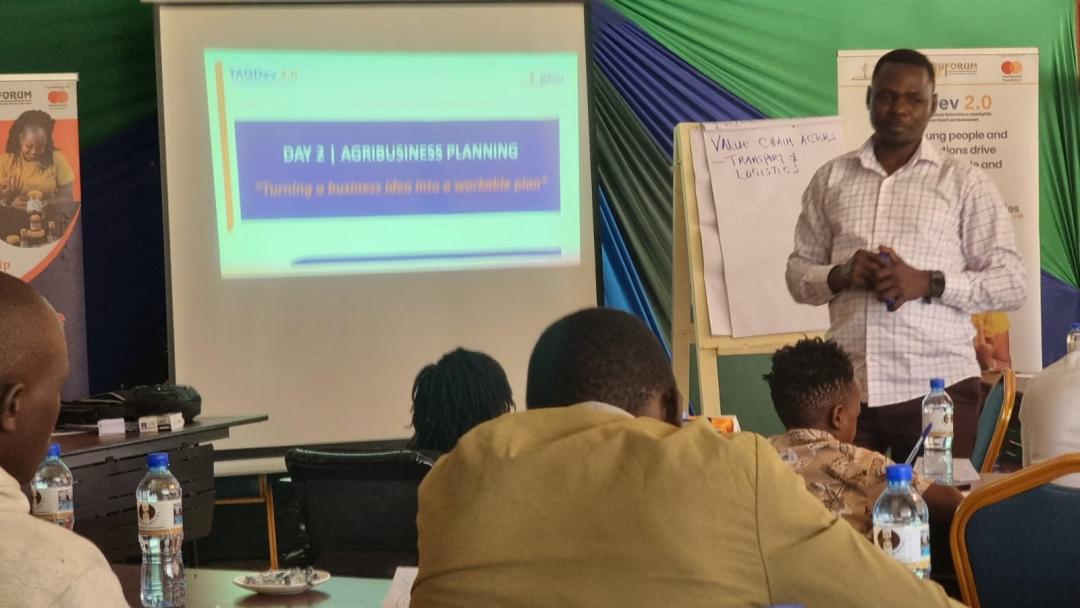
That question took centre stage as TAGDev 2.0 brought together persons with disabilities for an intensive training on agribusiness development, planning and marketing at Sirikwa Hotel in Eldoret from 30 September to 2 October 2026.
Over three days, participants explored how an idea can move from a problem or unmet need to an opportunity, and eventually into an enterprise capable of creating value in the agricultural economy.
The training was not simply about learning what agribusiness is. It was about helping participants see where they can fit within it.
The workshop brought together development and disability sector perspectives from the University of Eldoret’s Dr.Remmy Orao, Chair of the Disability Mainstreaming Committee and Ms. Helen Tuei, Senior County Officer, National Council for Persons with Disabilities (NCPWD).
Mr. Chemitei Kipkogei the TAGDev 2.0 Associate Programme Officer at UoE, delivered welcoming remarks on behalf of the Coordinator Prof. Julius Ochuodho, reinforcing a central message of the workshop, inclusion requires more than acknowledging people with disabilities. It requires creating opportunities through which they can acquire skills, participate in economic activities and pursue their own aspirations.
“Inclusion becomes meaningful when people are not only given a seat at the table, but are equipped with the skills and opportunities to create value,” said Kipkogei.
For TAGDev 2.0, that means placing inclusion within the wider conversation on skills development, entrepreneurship and agricultural transformation.
One of the first lessons participants encountered was that an agribusiness opportunity can begin with something as simple as identifying a problem.
The training introduced participants to the scope of agribusiness and guided them through ways of identifying opportunities based on problems, needs, resources and markets.
From there, participants explored a development pathway that moves from identifying an opportunity to developing, validating and starting an enterprise and ultimately improving and growing it.
The approach encouraged participants to think beyond the traditional boundaries of agriculture.
Agribusiness is not only about production. It encompasses the people, activities, services and linkages that connect agricultural products to markets. Participants therefore explored value chains and examined the different actors and opportunities that exist within them.
For a participant looking to establish an enterprise, understanding where value is created, and where gaps exist, can be the difference between having an idea and developing a viable business.
Ideas alone do not build enterprises.
The second phase of the training therefore shifted attention to business planning, helping participants understand why enterprises struggle and how planning can support better decisions, resource use and growth.
The participants worked through a simple business-planning framework built around questions including what? who? why? how? and how much?
They then applied the lessons through practical agribusiness planning exercises and worked with a business-plan handbook.
This practical approach gave participants an opportunity to move from discussing entrepreneurship in abstract terms to thinking through the realities of developing and managing an enterprise.
“I have a diploma in accounting and I did not have much knowledge on how to handle my agricultural business but with this training I now have a clearer picture of what to do,” said Purity Chebet
The training also challenged participants to look beyond the product itself.
Who is the customer? What do they need? What influences their buying decisions? How should a business position its product in the market?
These questions formed part of the marketing sessions, which covered customer segments, needs, preferences and buying behaviour.
Participants were introduced to the 7 Ps of Marketing, product, price, place, promotion, people, process and physical evidence, and explored how these elements can influence the success of an enterprise.
For aspiring entrepreneurs, the lesson was clear, having a good product is only part of building a business. Understanding the customer and the market matters just as much.
Perhaps the most significant aspect of the workshop was that inclusion was not treated as a standalone conversation. It was integrated into a programme centred on economic opportunity.
The final day included a session on inclusive programming, connecting the broader principles of inclusion with the practical realities of development interventions.
This was led by Ms. Tuei who reminded the participants to implement what they have been taught for their own growth and independence.
“This an opportunity for all of us to take what has been taught here and put it to work.The trainer has been very detailed and practical trying to ensure we all get what agribusiness is all about. For that we are grateful,” she said.
For PWD participants, the workshop created a space to acquire skills, exchange ideas and consider how they can participate more meaningfully in agribusiness.
It also reflects a broader shift in how inclusion can be approached, not simply as ensuring that people are present, but as creating conditions in which they can learn, innovate, participate and build.
For TAGDev 2.0, the workshop forms part of a broader effort to equip people with practical skills that can translate into opportunities beyond the training room.
The significance of such interventions lies not only in the sessions delivered, but in what participants can do with the knowledge afterwards, whether identifying a new opportunity, refining an existing business idea, developing a business plan or better understanding the market they want to serve.
“This was a reminder to the PWDs that they have capabilities just like any other person and that there are so many opportunities for them in the agribusiness world. TAGDev 2.0 is here to amplify such opportunities starting with such activities among others,” said Mr. Eric Otieno, BDS officer and trainer.
The workshop concluded with reflections, evaluation and discussions on the way forward.
As participants returned to their communities, they carried with them more than notes from three days of training. They carried frameworks for thinking differently about opportunity, enterprise and participation in the agricultural economy. This is because inclusion is not simply about opening the door.
It is about ensuring that people have the skills, confidence and opportunities to walk through it and build something of their own.