


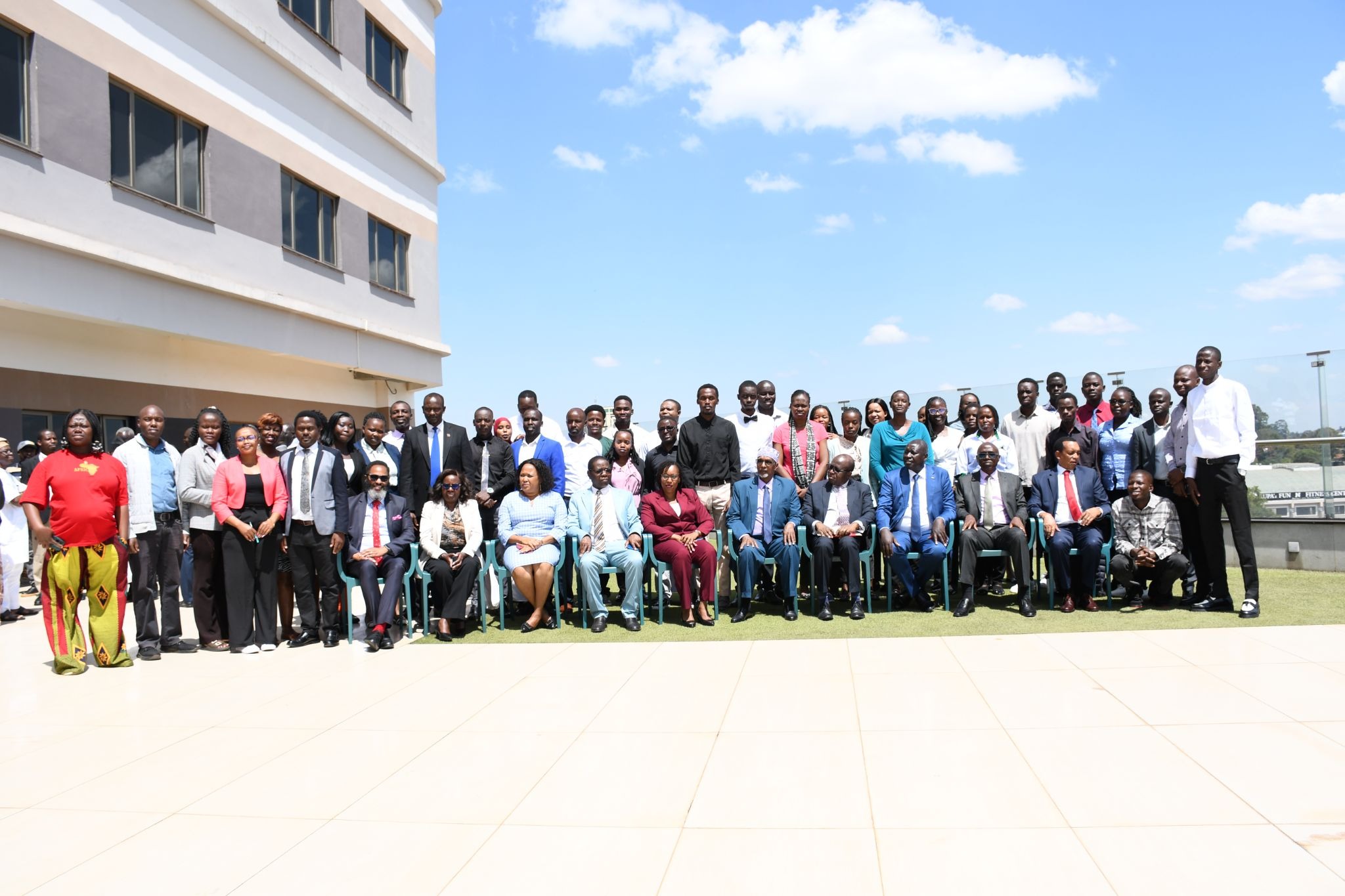
Fifteen postgraduate scholars supported under the Transforming African Agricultural Universities to Meaningfully Contribute to Africa’s Growth and Development (TAGDev) 2.0 programme at the University of Eldoret are participating in the U6+ Consortium 10th International Conference, gaining valuable exposure to research, innovation and academic networks from across Africa and beyond.
The four-day conference, hosted by the University of Eldoret from 8–11 September 2026, brings together scholars, researchers, university leaders and partners to share knowledge and explore solutions to Africa’s development challenges.
For the 15 TAGDev 2.0 postgraduate students, participation in the conference offers an opportunity to move beyond the classroom and engage with a wider research ecosystem,an important part of preparing them to become future researchers, professionals, innovators and contributors to Africa’s agricultural transformation.
Day One of the conference featured an official opening ceremony, plenary engagements and parallel research sessions covering Agriculture and Food Systems, Business, Entrepreneurship and Economics, Education and Human Capital Development, Natural Resources, Climate Change and Sustainable Development, Science, Technology, Engineering and Innovation, Social Sciences and Community Development, and One Health and Well Being.
For TAGDev 2.0 scholars, exposure to such a wide range of research areas provides an opportunity to appreciate how agricultural development is interconnected with technology, climate change, entrepreneurship, education, health and community development.
This multidisciplinary exposure can help the students broaden their perspectives as they undertake postgraduate research and consider how their academic work can respond to challenges beyond their individual disciplines.
The conference also provides the scholars with an environment to observe how researchers communicate evidence, defend ideas and engage with questions from peers and experts.
Through interactions with researchers from participating universities, the scholars can gain insights into emerging research approaches, identify potential areas of collaboration and begin building professional networks that may support their academic and career journeys.
The programme's plenary session further brought together Vice-Chancellors from participating institutions for goodwill messages, alongside a keynote engagement on research, science and innovation.
Such engagements expose these students to the broader higher education landscape and demonstrate the importance of collaboration in generating knowledge and translating research into impact.
The thematic sessions offered practical examples of research responding to challenges affecting communities and economies across the continent.
In Agriculture and Food Systems, presentations addressed areas including food and nutrition, crop production and agricultural innovation.Goals that TAGDev 2.0 affirms fully.
The Natural Resources, Climate Change and Sustainable Development sessions explored issues such as indigenous knowledge and climate adaptation, ecosystem health, wetlands, climate resilience, sustainable food and nutrition security, and forest and tree cover. University of Eldoret student researchers were among those presenting research in this area.
Meanwhile, the Science, Technology, Engineering and Innovation sessions showcased research involving machine learning, agricultural engineering, food and nutritional security and other technological applications.
These engagements offer a valuable opportunity for them to see how research questions are framed, investigated and presented, while connecting academic knowledge to real world development needs.
TAGDev 2.0's investment in postgraduate education goes beyond supporting scholars to complete their studies. It seeks to develop young Africans with the knowledge, skills and networks needed to contribute meaningfully to the continent's growth and development.
Participation in the U6+ Consortium conference complements this ambition by giving the scholars exposure to a community of researchers and institutions working on some of Africa's most pressing challenges.
The conference environment also encourages scholars to think about the next step in their academic journey. How can research generate solutions? How can evidence inform policy and practice? And how can universities work with communities, industry and other partners to turn knowledge into impact?
These are not simply conference conversations. They are opportunities to strengthen the students research thinking, expand their professional networks and develop a clearer understanding of their potential role as future contributors to Africa's transformation.
As the U6+ Consortium 10th International Conference continues, the participation of TAGDev 2.0 scholars represents an important link between postgraduate training and the wider research and innovation ecosystem.
By having the scholars in spaces where knowledge is shared, challenged and connected to development priorities, the University of Eldoret continues to create opportunities for students to learn beyond the lecture room and prepare for careers where their knowledge can make a difference.
For TAGDev 2.0, the message is clear,investing in scholars is investing in the ideas, innovations and leadership Africa needs for its future.